
You’ve probably heard it about a hundred times. “Just breathe.”
Feeling anxious? Take some deep breaths. Feeling stressed? Slow your breathing down. Can’t switch off? Try meditation.
It sounds simple enough. So you try it. You sit down, take a deep breath and try to slow everything down. But instead of feeling calmer, you feel more anxious.
You might even start wondering, “What am I doing wrong?”
Breathing exercises can be helpful, but they aren’t a one-size-fits-all. If your body has been used to living in a fast, stressed state for a long time, suddenly trying to slow everything down can feel uncomfortable.
In fact, for some people, trying to relax is the very thing that makes them feel less relaxed. I've seen this often enough that I think it's important to talk about it.
Why does slowing my breathing down make me feel more anxious?
Think about driving a car that has been sitting in a high gear for years. The engine is working hard, but you’ve become used to the sound. You don’t even notice it anymore. You're busy. You're getting things done. You're dealing with whatever needs dealing with.
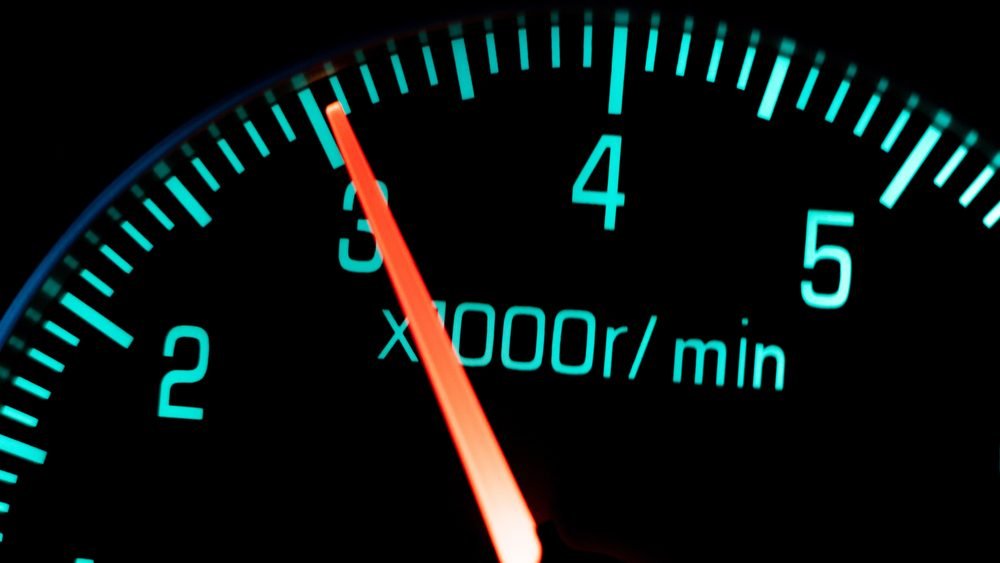
Then suddenly you change the gear. You slow down. Everything feels different.
That’s a little like what happens when you suddenly try to slow your breathing. When someone has trauma and lives with anxiety, their body can become used to working at a faster and shallower speed. It becomes almost like a default setting for managing stress.
So when you suddenly slow everything down, it can feel very unfamiliar.
You might start noticing things that weren’t as obvious before. Emotions. Physical sensations. Thoughts that were easier to stay busy and distracted from.
And if those things start to surface, they can make you feel more anxious. Then you get caught in a feedback loop.
You notice something different in your body. Tingling, lightheadedness, faster heart rate. You worry about it. You pay even more attention to what’s happening. The anxiety increases, and suddenly the breathing exercise feels like the thing causing the problem.
When this happens, it can leave you thinking “breathing exercises don’t work for me”.
But sometimes that’s not really what’s happening. Sometimes the exercise was simply too much, too soon.
That’s why I think there is a very fine line with breathing exercises. I wouldn’t want someone to force themselves into slowing their breathing if it makes them feel like they’re losing control.
Why do I feel dizzy or panicky when I try breathing exercises?
This is one of the reasons I wouldn't recommend simply jumping into deep breathing.
If you’re used to breathing in a shallow, fast way and suddenly start forcing deeper breaths, your body can react to that change.
One possible reason is a temporary change in carbon dioxide levels, which can produce sensations such as dizziness or lightheadedness. Those physical sensations can then feel very alarming if you’re already anxious.
Imagine feeling suddenly dizzy while you’re sitting, trying to relax. Your first thought might not be, “Ah my breathing has changed.” It might be, "What's happening to me?”
You notice the discomfort more, you become more anxious, and the cycle continues. Then you decide that breathwork doesn’t work for you.
If you’ve never done it before, or you’re already in a very sensitive state, suddenly throwing yourself into an intense breathing practice may simply be too big of a step.
That doesn’t mean breathing is bad. It means how you approach it matters.
Why does my heart race when I’m trying to calm myself down?
This can feel incredibly confusing. You’re deliberately trying to calm yourself, and suddenly your heart starts racing. You're probably thinking, “What’s going on? I’m literally trying to relax.”
From my point of view, part of what can happen is that you’re asking the body to do something unusual. If your body is operating in a particular way, suddenly changing that can trigger a fight-or-flight response rather than immediately making you feel calm.
And this is where I think people can put far too much pressure on themselves.
You decide you’re going to start breathing exercises and that you need to do them ‘properly’, which you believe is for twenty minutes. So you sit there and think, ‘I have to calm down’; but this just turns relaxation into another thing you have to achieve.
That is not what I want for you.
You don’t need another task to get right. You don’t need another reason to think ‘I can’t even relax properly’.
If something is supposed to help you but you’re finding yourself more distressed by it, that’s worth paying attention to.
Am I doing breathing exercises wrong?
Most people just start with the wrong exercise.
There are so many breathing techniques and meditation practices available now that it’s easy to assume you should be doing something more advanced. You might find a yoga breathing practice online, see someone recommending alternate nostril breathing, or be told to spend twenty minutes doing deep breathing every day.
I wouldn’t necessarily start there. If you already struggle with anxiety, a complicated exercise can be too big of a step. And if you don’t feel better, it’s very easy to turn the whole thing back on yourself.
That’s why I recommend starting simple.
The heart breath is a good example. It’s a gentle practice where you visualise breathing in and out through the front and the back of the heart centre, which is right in the centre of your chest.
I wouldn’t ask someone to sit there doing it for fifteen minutes if they’re already struggling with slowing down. A couple of breaths can be enough to begin with.
You also don't have to wait until you're anxious to do it. Try it a couple of times throughout the day. Maybe every hour or two, or simply whenever you remember. Just three or four slow breaths. The point isn't to force yourself to relax. It's to slowly make the experience of slowing down feel more familiar.
You can do it while you're sitting at your desk, making a cup of tea, or before you go to bed. It doesn't need to become another thing you have to get right.
Slow, short, steady and consistent is much more useful than forcing yourself through something that feels overwhelming.
But everyone says breathing exercises help anxiety
Because what helps one person may not feel the same for someone else. The same goes for meditation and other practices made to help you relax.
You might see someone online saying, “This changed my anxiety completely,” and assume it should do the same for you. Then you try it and feel worse.
That can be incredibly frustrating.
But your starting point matters. If your body has been living with stress and anxiety for a long time, you may be much more sensitive to changes in your breathing and to what you’re feeling physically.
And you don’t always know how much someone is carrying, just by looking at them. Someone can be working, functioning, and getting on with their life while still dealing with deeply held patterns underneath.
So if a breathing exercise doesn’t feel good, I don’t want you to immediately make it mean something about you.
It doesn’t mean you’re bad at it. It doesn’t mean nothing will help. It could just mean that particular exercise, at that particular point, wasn’t right for you. Sometimes that means doing less rather than pushing yourself harder. A couple of gentle breaths might be enough to start with.
If it isn't the technique, what is it?
If you’ve tried different things to help yourself and you’re still struggling with anxiety, it can be easy to think you just haven’t found the right technique yet.

Sometimes the answer is bigger than breathing exercises, meditation, or learning other ways to calm yourself. The way you learned to cope, the beliefs you formed about yourself, and the experiences that shaped how you respond to the world can all play a part.
You can understand why you’re anxious and where your patterns came from, and still find yourself reacting in the same way. That can feel incredibly frustrating, especially when you’ve already spent a lot of time trying to understand yourself. But understanding is only one part of the work.
The next step is working out what’s keeping those patterns in place, so you can move beyond simply understanding them and start feeling different.
For a lot of people that means looking further back than they expect, at things they've never really counted as significant. That's what I've written about here.
And in the meantime, try the heart breath. Take three or four breaths a couple of times throughout the day, every hour or two, or whenever you remember. The aim isn’t to force yourself to relax, but to slowly make slowing down feel more familiar.